School Partnerships
Delivering customized adventures to schools; meeting young people right where they are.
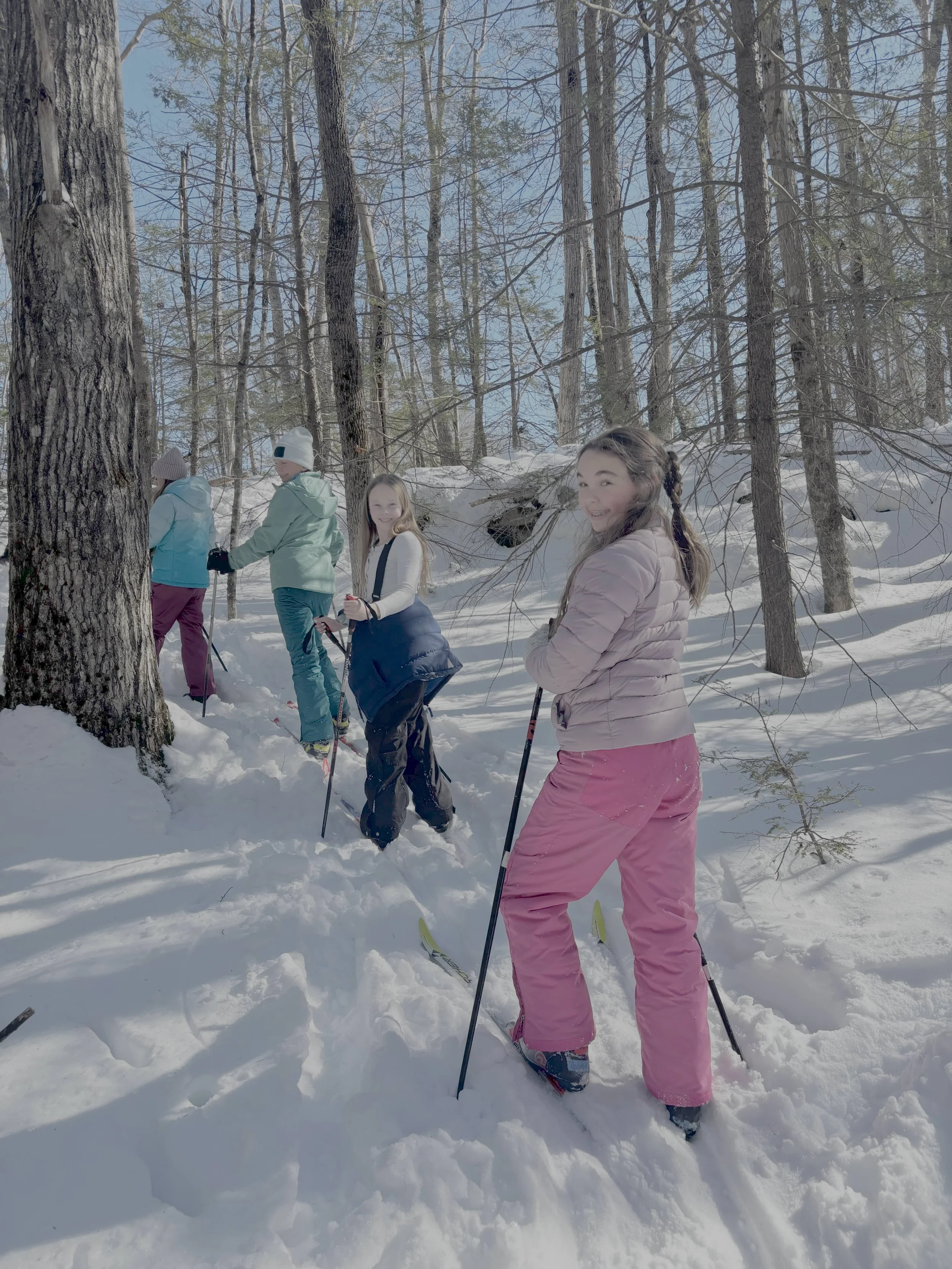
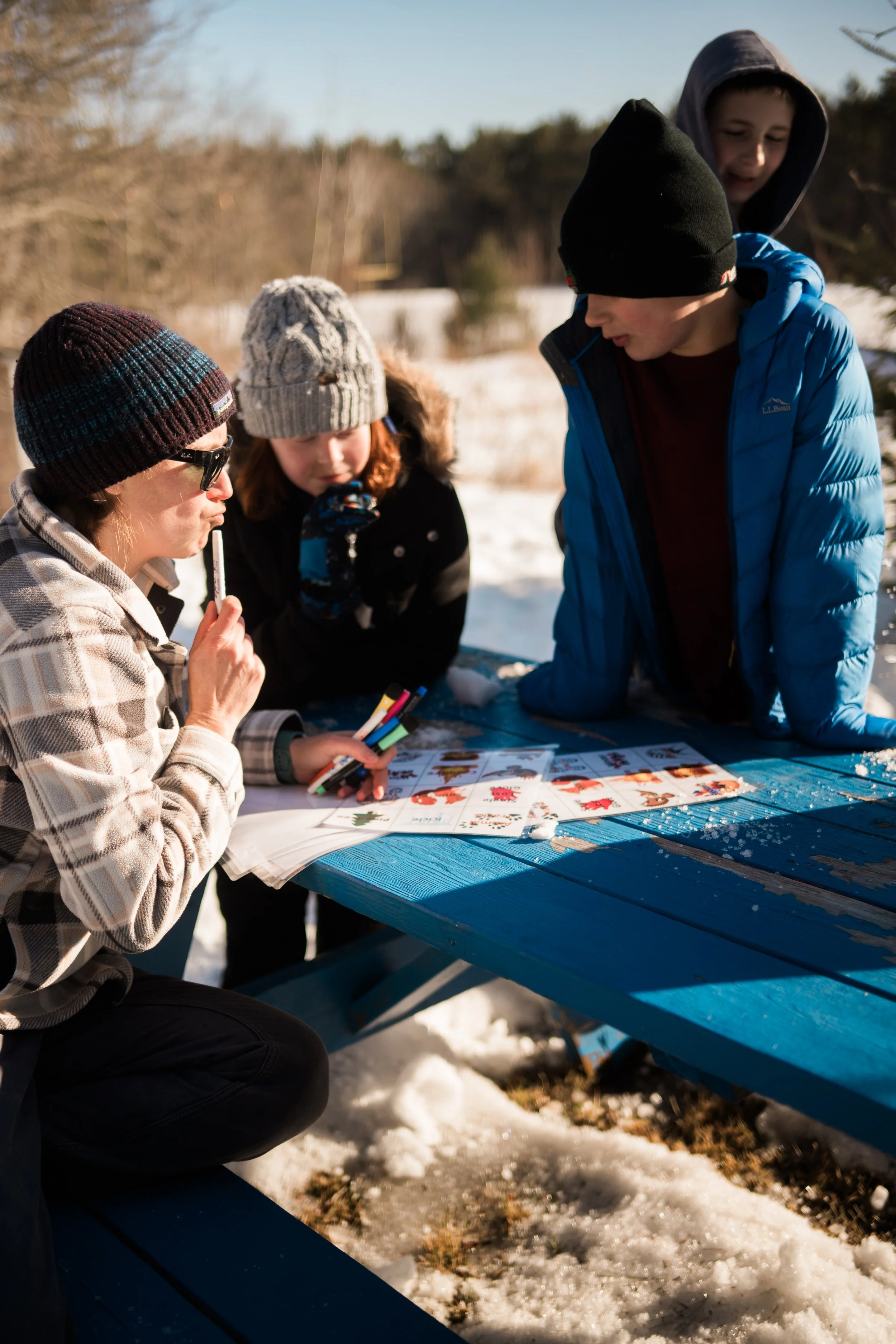
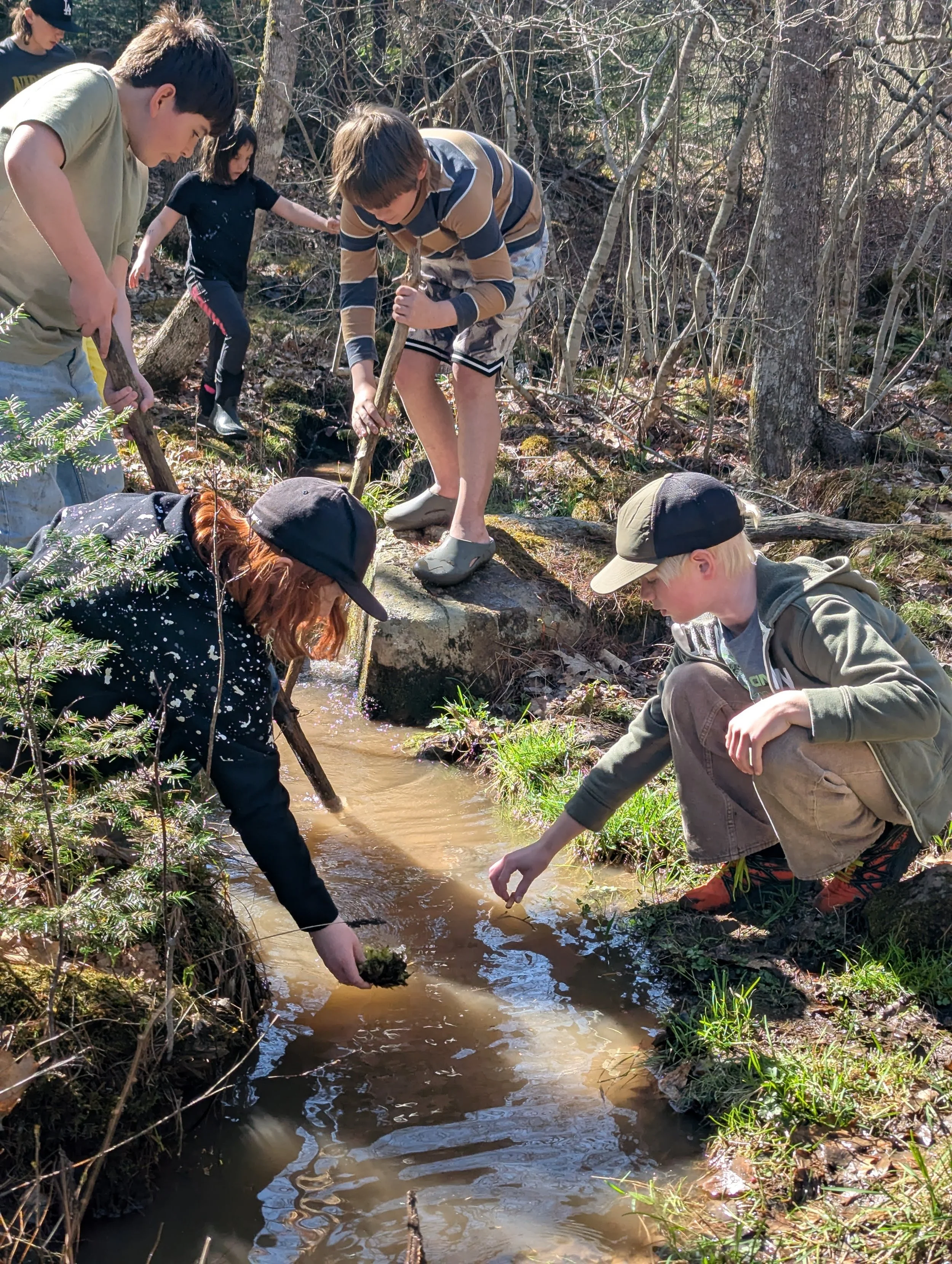
Hearty Roots partners with Lincoln County schools to deliver high-impact, outdoor-based programming that strengthens interpersonal skills and student well-being. Grounded in our core pillars—Adventure, Connection, and Reflection—our programs intentionally blend interpersonal learning with hands-on outdoor skills and camp craft. Our methodology is aligned with the CASEL framework, ensuring students build core competencies such as self-awareness, self-management, social awareness, relationship skills, and responsible decision-making.
We partner with schools by embedding our team of experienced, trusted adult mentors directly into the school day—right on school grounds. By meeting students where they already are, we remove barriers to participation while unlocking the proven benefits of time outdoors.
At the heart of our work is the relationship. We begin by building trust and creating a positive, supportive environment where students feel seen, respected, and safe.
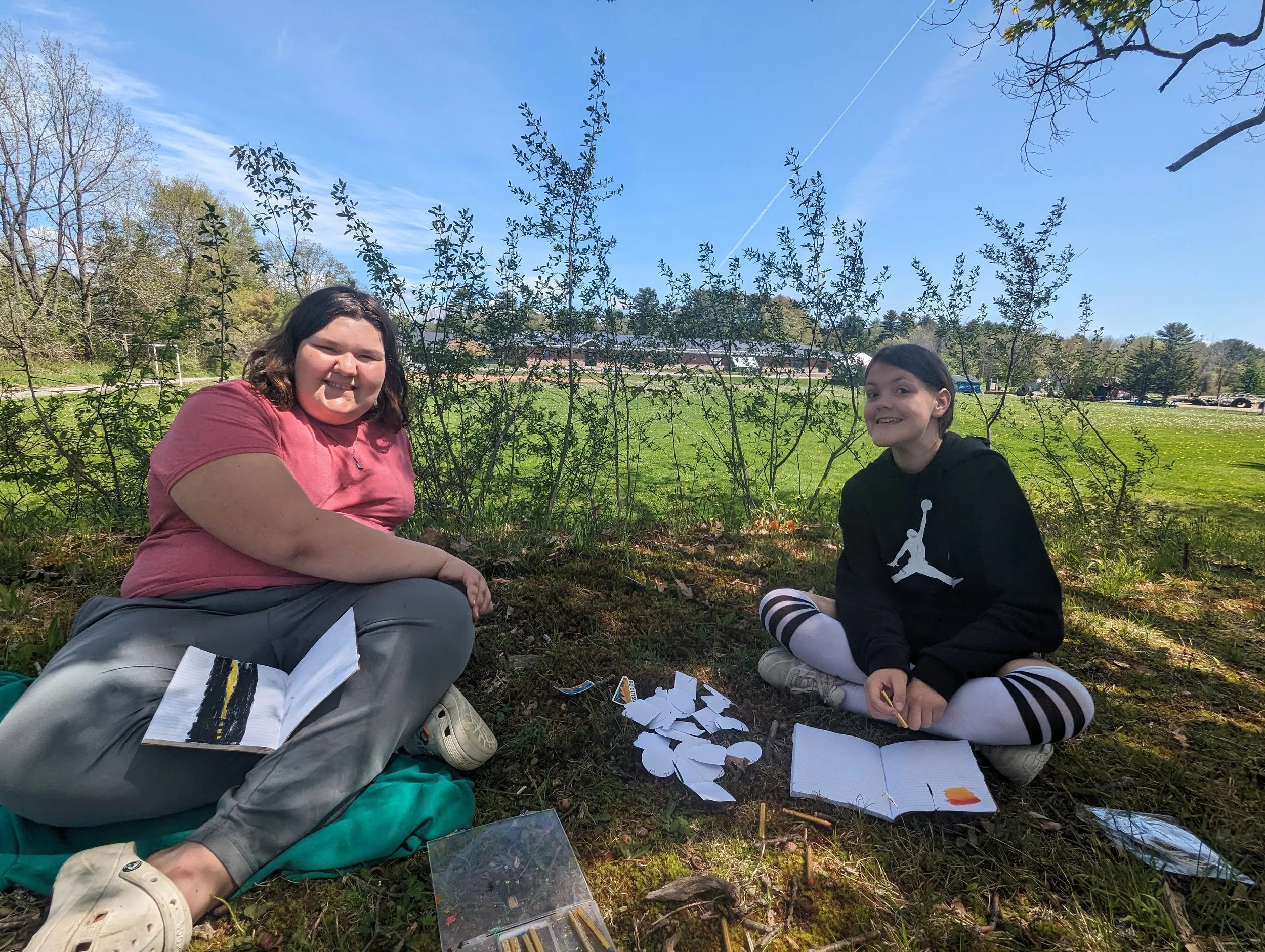
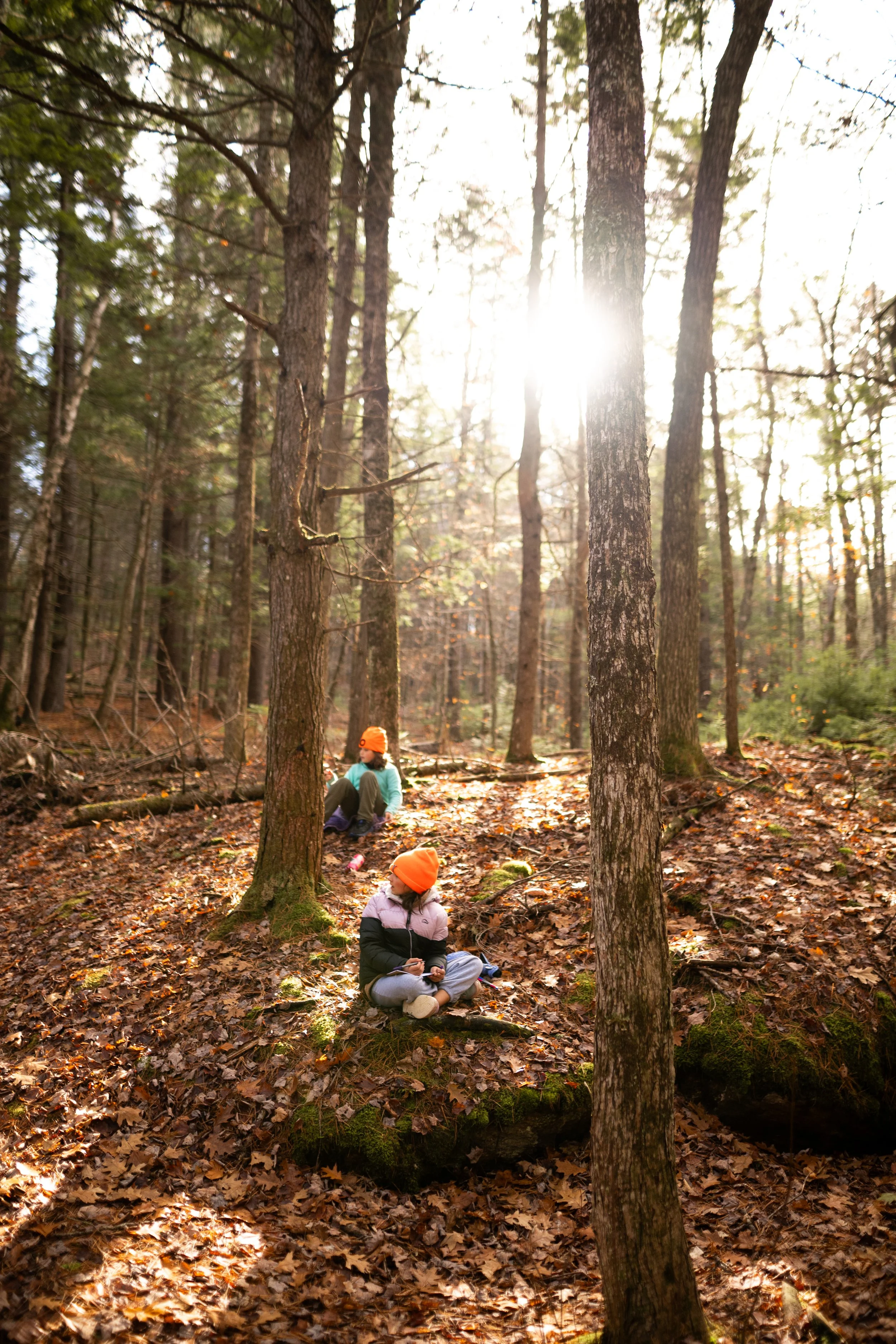
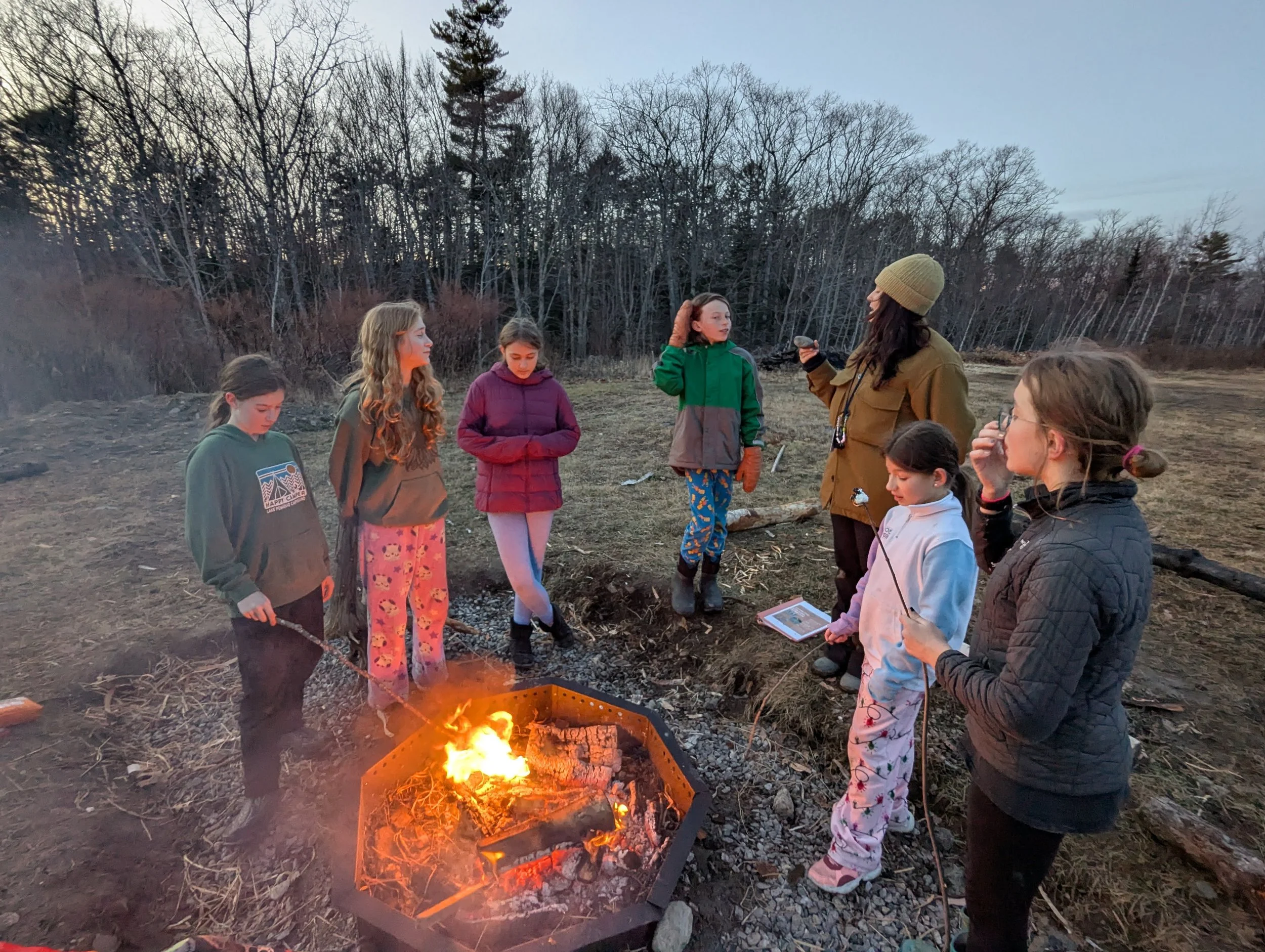
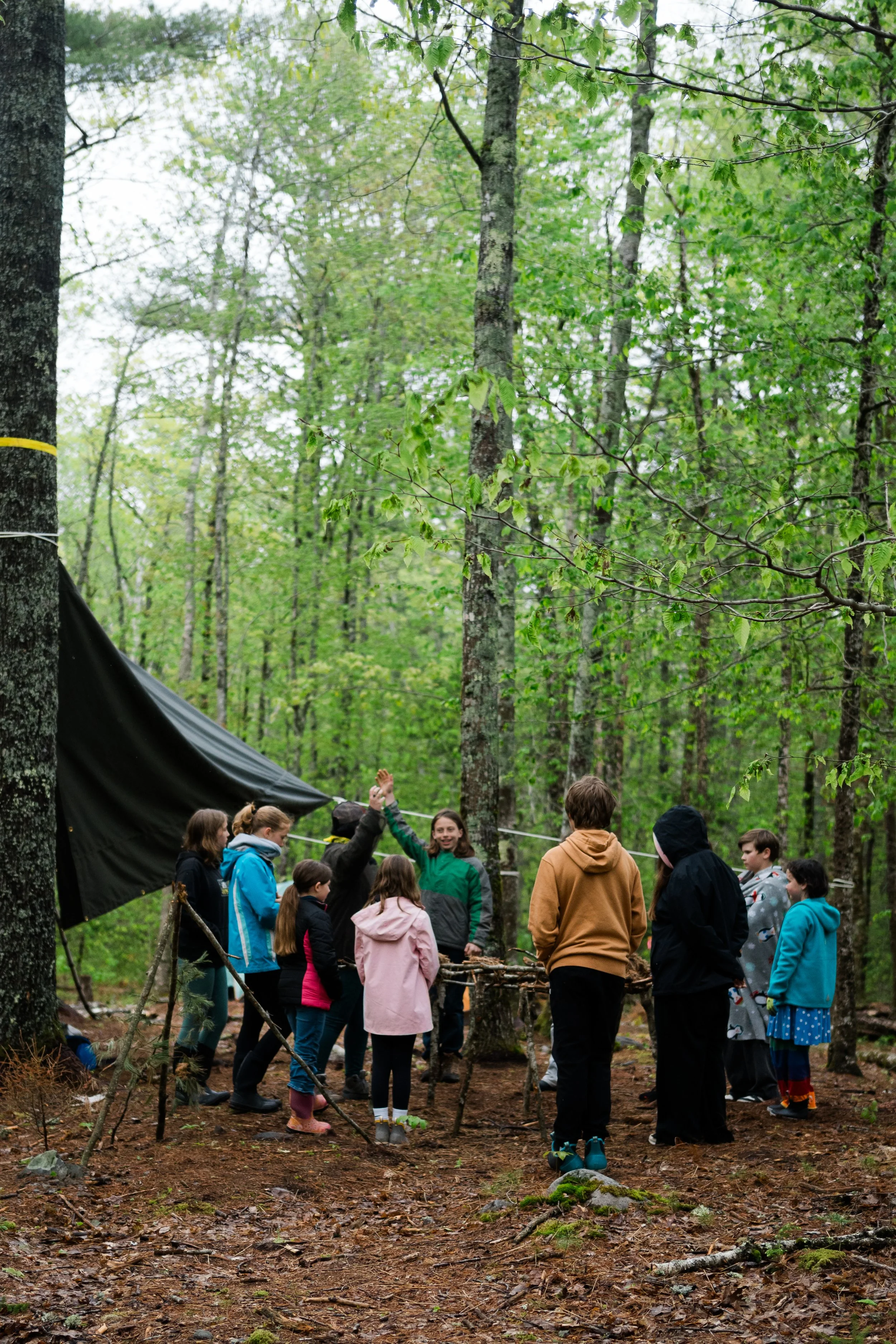
Through earth-based skills, outdoor exploration, and adventure, students step outside the traditional classroom and into experiences that foster confidence and connection. These activities are not the end goal—they are the gateway to something deeper: meaningful mentorship and personal growth.
In this space, students learn to pause, reflect, and engage with the world around them. They practice communication, accountability, resilience, and leadership in real time. Over time, they begin to see themselves as capable, valued members of their school community.
Our goal is simple but powerful: to help young people reconnect—with themselves, with others, and with the natural world.
Our facilitators specialize in group dynamics and inclusive program design, creating environments where every student is seen, valued, and supported—and where prosocial behavior is actively modeled and reinforced. Schools value this partnership because it is seamless, mission-aligned, and supportive of whole-child development. Just as importantly, this work allows us to meet students where they are, building trust and confidence that often leads to deeper engagement in our more immersive outdoor experiences beyond the school day.
-
We work with schools in a few different ways, depending on their needs.
Some schools choose to integrate our program into the school day as an allied arts or specialty class. In this model, we meet with the same cohort of students once per week throughout the school year, allowing us to build strong relationships and provide consistent outdoor-based mentorship.
Other schools prefer to refer students who may benefit from additional support during the school day. In these cases, we work with smaller groups of students and create spaces for connection and mentorship. One common format is a “lunch bunch,” where referred students spend a lunch period with our team and a small group of peers, building relationships while engaging in meaningful conversation and activities.
In both models, our goal is the same: to create supportive relationships and meaningful experiences that help students grow in confidence, resilience, and connection.
-
The school administrators that we work with know the value of our team that is dedicated to relationships. They build us into their budget by replacing or supplementing an existing program, or they write a grant to The Community Health Improvement Fund to support the work. We’re happy to talk to you about options.
-
Our preferred model is a partnership that lasts the full school year, from September through June. Consistent presence allows us to build trust with students, develop meaningful mentor relationships, and contribute positively to the overall culture of the school community.
While one-time or short-term programs are common in schools, our work is most effective when relationships have time to grow. For that reason, we prioritize year-long partnerships whenever possible.
That said, we also welcome opportunities to begin with shorter engagements—such as several weeks or a semester—which can serve as a valuable introduction and often grow into longer-term collaboration over time.